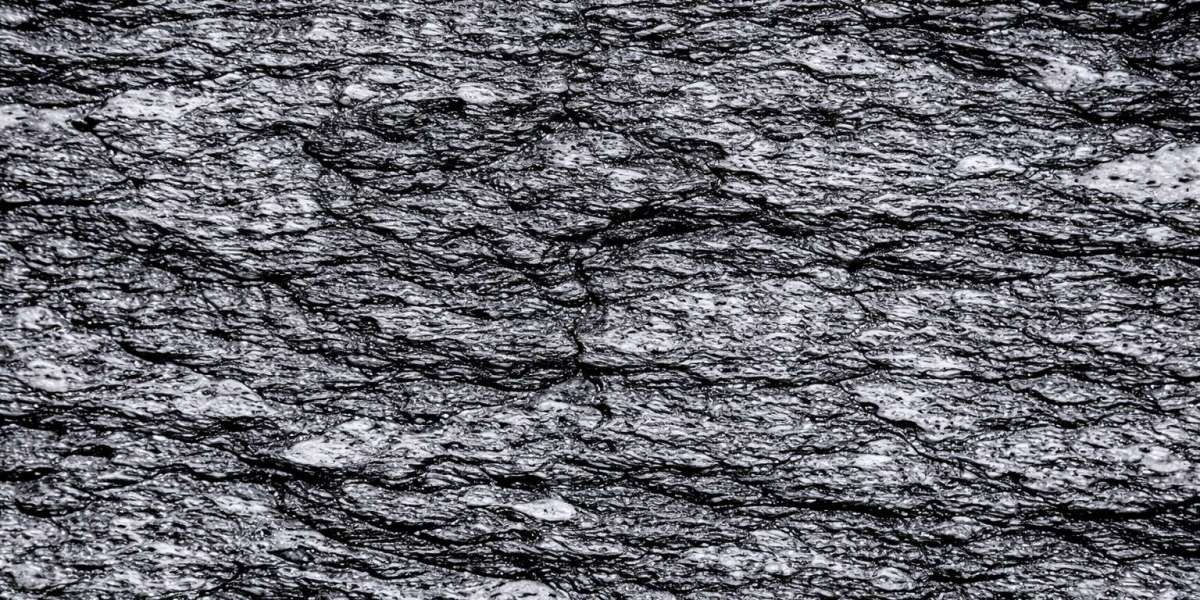

Graphite density is the measurement of mass per unit volume of graphite, usually expressed in grams per cubic centimeter (g/cm³). It is one of the most important physical properties of graphite because it directly influences strength, conductivity, porosity, and overall performance. The typical true density of pure graphite is about 2.26 g/cm³, while bulk density varies depending on manufacturing methods and material compaction. Understanding graphite density is essential in selecting the right grade for industrial and commercial applications.
Atomic Structure and Its Influence on Density
Graphite is a crystalline form of carbon where atoms are arranged in hexagonal layers. Each carbon atom bonds with three others, forming flat sheets called graphene layers. These sheets are stacked together with weak forces between them, allowing easy sliding. This layered arrangement creates spaces between layers, which affect density. When graphite is compressed or processed at high temperatures, the layers align more closely, increasing overall density and improving mechanical properties.
Natural vs Synthetic Graphite Density
There are two main categories of graphite: natural graphite and synthetic graphite. Natural graphite is mined from the earth and includes flake, amorphous, and vein types. Its density may vary due to impurities and mineral content. Synthetic graphite is produced by heating petroleum coke at extremely high temperatures. This process allows better control over purity and structure, resulting in more consistent density values. Industries often prefer synthetic graphite when uniform density and performance are required.
Bulk Density and True Density
Graphite density can be measured in two primary ways: bulk density and true density. True density refers to the density of the solid material without considering pores or air gaps. Bulk density includes the volume of pores and empty spaces within the material. Since graphite is naturally porous, bulk density is usually lower than true density. For many industrial uses, bulk density is more important because it reflects how the material behaves in real-world conditions.
Factors Affecting Graphite Density
Several factors influence graphite density. Purity is a major factor, as impurities can reduce compactness and increase porosity. Manufacturing pressure during molding or extrusion also plays a role; higher pressure reduces internal voids and increases density. Heat treatment at high temperatures improves crystal alignment, enhancing compactness. Particle size and grain structure additionally impact how tightly the material packs together, affecting final density values.
Importance in Steel Industry
In steel manufacturing, graphite is widely used in electrodes for electric arc furnaces. High-density graphite electrodes are preferred because they offer better mechanical strength and electrical conductivity. Dense graphite reduces breakage and extends service life under extreme temperatures. Lower density materials may contain more pores, making them less durable during high-current operations.
Role in Lithium-Ion Batteries
Graphite is a key anode material in lithium-ion batteries. The density of graphite influences the battery’s energy capacity and efficiency. Higher density graphite allows more active material within a smaller space, increasing energy storage potential. However, too much density can reduce ion movement, so manufacturers balance density and porosity carefully to achieve optimal battery performance and longer life cycles.
Thermal and Electrical Conductivity
Graphite is known for excellent thermal and electrical conductivity. Density directly affects these properties. Higher density graphite typically has fewer voids, enabling better electron flow and heat transfer. This makes it suitable for applications such as heat exchangers, electrical contacts, and high-temperature furnaces. Consistent density ensures stable performance in demanding environments.
Comparison with Other Carbon Materials
Graphite density differs significantly from other carbon forms. For example, diamond has a much higher density due to its tightly bonded tetrahedral structure. Amorphous carbon has lower structural order and different density characteristics. The unique layered structure of graphite provides a balance of moderate density, high conductivity, and mechanical flexibility, making it versatile across industries.
Industrial Applications Beyond Energy
Beyond steel and batteries, graphite density is important in aerospace, automotive, and nuclear industries. In nuclear reactors, dense graphite is used as a moderator because it maintains structural stability at high temperatures. In automotive applications, graphite components require precise density to ensure durability and performance. Engineers carefully select density grades depending on strength, weight, and thermal requirements.
Advantages of High-Density Graphite
High-density graphite offers improved durability, reduced oxidation, higher conductivity, and better resistance to chemical attack. It performs reliably under extreme heat and mechanical stress. These advantages make it suitable for precision components, advanced electronics, and heavy industrial equipment. Optimizing density ensures long-term efficiency and cost-effectiveness.
Conclusion
Graphite density is a critical property that determines performance across many industries. From steel production to battery technology and aerospace engineering, the correct density ensures strength, conductivity, and reliability. By controlling purity, manufacturing pressure, and heat treatment, producers can achieve desired density levels. Understanding graphite density helps engineers and manufacturers select the right material for specific applications, leading to better efficiency and long-term performance.