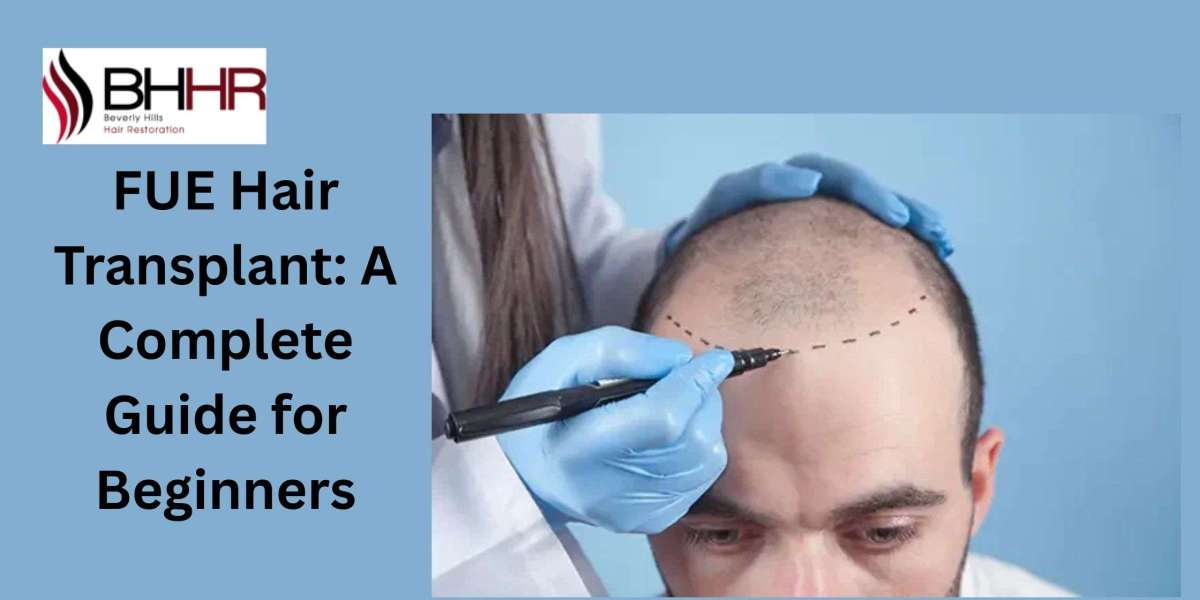

Hair loss can affect people of different ages and may influence confidence and self-image. Whether caused by genetics, aging, hormonal changes, or other factors, thinning hair often leads people to explore long-term restoration options. Among today's advanced treatments, FUE hair transplant has become one of the most widely chosen procedures because it offers natural-looking results with a minimally invasive approach. Unlike older techniques that involve removing a strip of scalp, FUE focuses on extracting individual hair follicles and placing them in areas experiencing hair loss. This guide explains how the procedure works, who may benefit from it, what to expect during recovery, and the factors to consider before making a decision. Understanding the process can help you feel more prepared when exploring professional hair restoration options.
What Is FUE Hair Transplant?
Follicular Unit Extraction (FUE) is a modern hair restoration technique that involves removing individual hair follicles from a healthy donor area—typically the back or sides of the scalp—and transplanting them into thinning or balding areas. Because follicles are extracted one by one, the procedure leaves tiny, less noticeable marks instead of a long linear scar.
The treatment is performed under local anesthesia, allowing patients to remain comfortable throughout the procedure. Each graft is carefully placed to match the natural direction and angle of existing hair, helping create a realistic appearance. Compared with traditional methods, FUE generally offers a quicker recovery and greater flexibility for people who prefer shorter hairstyles. The procedure is customized to each patient's hair characteristics, hair loss pattern, and long-term restoration goals to achieve balanced and natural-looking outcomes.
Who Is a Good Candidate for an FUE Hair Transplant?
Not everyone experiencing hair loss is an ideal candidate for hair transplantation. The best candidates usually have stable hair loss, sufficient donor hair, and realistic expectations about the procedure and its results. Men and women experiencing pattern hair loss often benefit most, although eligibility depends on an individual evaluation.
A healthy donor area is essential because the transplanted follicles are taken from this region. Factors such as scalp condition, hair density, age, and overall health are also considered before treatment. People with extensive hair loss may require a different treatment strategy or multiple sessions. A detailed consultation helps determine whether an FUE hair transplant is the most appropriate option and allows the treatment plan to be tailored to the patient's unique needs and goals.
Benefits of an FUE Hair Transplant
FUE has become a preferred hair restoration method because it offers several practical advantages. Since individual follicles are extracted rather than removing a strip of scalp, scarring is typically minimal and less noticeable. This makes it appealing for people who wear shorter hairstyles.
Other potential benefits include:
Minimal visible scarring
Natural-looking hairline design
Faster healing compared with traditional strip procedures
Less discomfort during recovery
Precision placement of individual grafts
Long-lasting results when transplanted follicles remain healthy
Results continue to improve gradually as transplanted hair grows over several months. While individual outcomes vary, many patients appreciate the natural appearance and improved hair density that can be achieved through careful planning and experienced surgical techniques.
What Happens During the Procedure?
The process begins with a comprehensive consultation, during which the surgeon evaluates your hair loss pattern, donor area, and desired results. A customized treatment plan is then created based on your individual goals.
On the day of the procedure, local anesthesia is administered to ensure comfort. Individual follicular units are carefully extracted from the donor area using specialized instruments. Each graft is preserved before being implanted into carefully prepared recipient sites that follow the natural growth pattern of your existing hair.
The length of the procedure depends on the number of grafts required and may take several hours. Patients typically return home the same day with detailed aftercare instructions designed to support proper healing and protect the newly transplanted follicles.
Recovery and Expected Results
Recovery after an FUE procedure is generally straightforward. Mild redness, swelling, or small scabs around the transplanted follicles are common during the first several days and usually improve as healing progresses. Following your surgeon's aftercare instructions is important for achieving the best possible outcome.
Some transplanted hairs may shed during the first few weeks, which is a normal part of the growth cycle. New hair growth typically begins within three to four months, while noticeable improvement continues over six to nine months. Full results often become visible after 12 months, although timelines vary from person to person.
Maintaining a healthy lifestyle and attending follow-up appointments can help monitor progress and support long-term success after treatment.
Why Choose BHHR in Palm Desert?
Choosing the right clinic is an important part of your hair restoration journey. BHHR in Palm Desert provides personalized treatment plans designed around each patient's hair loss pattern, aesthetic goals, and overall scalp health. Using advanced Smart FUE technology, the team focuses on precise graft placement to help create natural-looking hairlines and balanced density.
Every consultation includes a thorough assessment to determine candidacy and discuss realistic expectations before treatment. Patients receive individualized guidance throughout the process, from planning and the procedure itself to recovery and follow-up care. With an emphasis on patient education, modern techniques, and customized treatment strategies, BHHR aims to deliver a comfortable experience while helping patients make informed decisions about their hair restoration options.
Conclusion
Hair restoration is a personal decision, and understanding your options is the first step toward choosing the treatment that best fits your needs. FUE offers a minimally invasive approach that can provide natural-looking results, minimal scarring, and gradual improvements over time when performed by experienced professionals. From consultation and treatment planning to recovery and long-term growth, every stage plays an important role in achieving a successful outcome.
If you're considering hair restoration, scheduling a professional consultation can help you understand your eligibility, expected results, and the treatment plan that's right for you. With the right guidance and realistic expectations, you can make a confident, informed decision about your hair restoration journey.