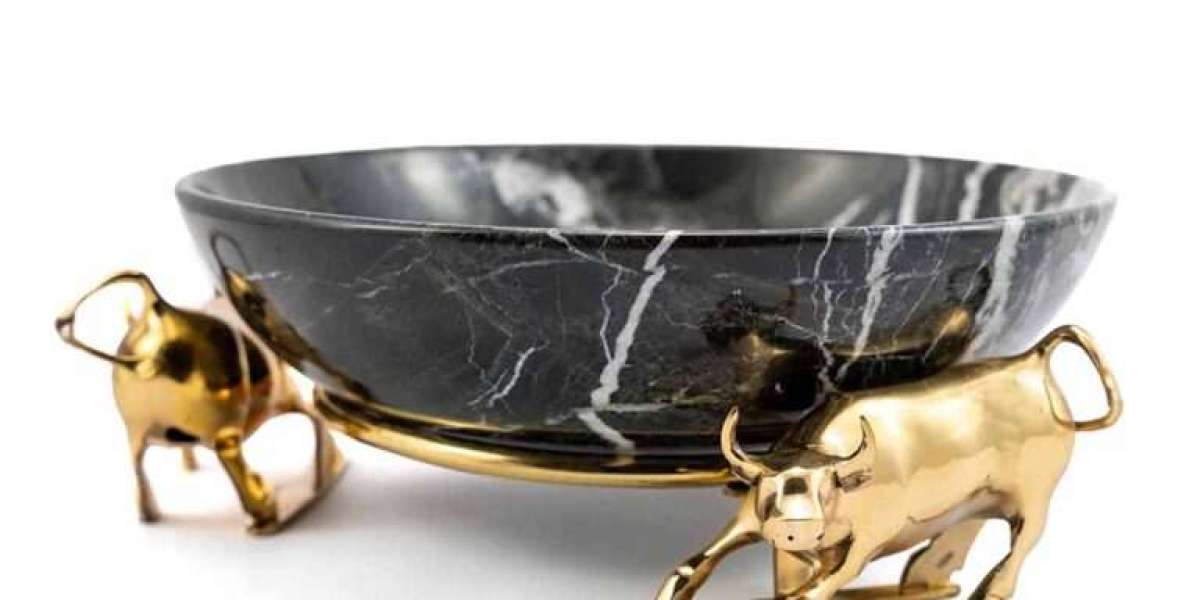

There is something about brass that no other metal quite replicates. Not the cold brightness of chrome, not the soft anonymity of brushed nickel, brass carries warmth in its very composition. It catches candlelight the way gold does and holds weight in your hand the way quality always does. In the most considered homes across Pakistan, from Karachi's seafront apartments to the gracious drawing rooms of Lahore's older neighbourhoods, brass has become the accent material of choice, and with good reason.
What makes brass genuinely special is that it doesn't stay the same. Left in its natural state, it develops a patina: a deepening of tone, a subtle darkening in the recesses, a surface that tells the story of the light it has lived under and the hands that have touched it. Whether you prefer the high-shine look of freshly polished brass or the dignified amber of an aged piece, understanding how to manage that evolution keeps your investment looking intentional rather than neglected.
The care itself is simpler than most people expect, it just requires knowing the difference between two distinct activities: cleaning and polishing.
Cleaning vs. Polishing: The Protocol
These are not the same thing, and conflating them is the most common mistake brass owners make. Cleaning is a regular, gentle maintenance habit. Polishing is an occasional, deliberate intervention. Both are necessary; neither substitutes for the other.
Routine Cleaning (Weekly or After Use)
Dust with a dry microfibre cloth, working with the grain of the metal. This prevents micro-scratches from accumulating over time.
For fingerprints and surface oils, dampen a cloth lightly with warm water and a single drop of mild dish soap. Wipe, then immediately buff dry. Never leave brass wet.
For unlacquered brass, a quick buff with a dry chamois restores reflectivity without any chemical intervention at all.
Frequency: weekly for display pieces, after every use for functional table decorations and entertaining accents.
Deep Polishing (Every 3–6 Months, or As Needed)
Mix equal parts white flour, table salt, and white vinegar into a paste. Apply with a soft cloth in gentle circular motions, leave for ten minutes, rinse thoroughly, and dry completely. This is the gold-standard home remedy for restoring unlacquered solid brass.
Commercial brass polishes work on lacquered pieces, but check the label, many are too abrasive for thin lacquer coatings. Apply sparingly and buff off before the product dries.
After polishing, apply a thin coat of linseed oil or Renaissance Wax to slow re-tarnishing, particularly useful in Pakistan's humid coastal cities where brass oxidises faster.
Never polish more frequently than needed. Each application removes a microscopic layer of metal. On solid brass, this is negligible over the years; on plated pieces, it compounds quickly.
The Forbidden Chemicals
The finish on a premium brass accent, a sculptural bookend, a refined tissue box, a statement vase, is far more vulnerable to household chemicals than most people realise. These are the most damaging culprits for decorative items for home-made or finished in brass:
Bleach and chlorine-based cleaners: Strip lacquer coatings instantly and pit raw brass on contact. Never use them near brass, even diluted.
Ammonia-based glass cleaners: Products like Windex contain ammonia, which reacts with the zinc in brass alloy and causes permanent discolouration. The damage is not reversible at home.
Acidic cleaners (toilet bowl cleaners, rust removers, limescale sprays): Their high acidity etches brass surfaces irreparably. Even brief contact leaves dull, pitted patches.
Abrasive scrubbing pads: Steel wool and rough kitchen sponges leave behind fine scratches that diffuse reflected light, permanently dulling the finish. Use soft cloths or natural fibre applicators only.
WD-40 and petroleum-based sprays: These temporarily restore shine but attract dust aggressively and leave a residue difficult to remove without the very solvents that damage brass.
Toothpaste: A popular DIY tip that belongs in the past. Most toothpastes contain micro-abrasive particles formulated for enamel, far harder than brass, and they scratch the metal surface visibly under close inspection.
Caring for Candle Stands and Table Accents
Heat is brass's most complicated companion. The candle stands for table decor that anchors a dining table or dresses a mantelpiece. Face wax drips, open flame proximity, and the thermal cycling of repeated use, all of which demand more attentive care than static display pieces.
Removing wax drips: Never scrape hardened wax with a knife or hard tool. Instead, place the item in the freezer for twenty minutes. Cold wax becomes brittle and lifts cleanly with a soft fingernail or the edge of a credit card. Any residue responds to a cloth barely dampened in warm water.
Use properly sized candles: A candle too narrow for its holder drips excessively; one too wide concentrates heat on the collar and can discolour the metal over time. The fit matters more than most people consider.
Protect the base: Felt pads under brass table decorations prevent surface scratching and reduce the heat transfer that causes condensation rings on lacquered wood.
Wipe after every use: The combination of wax residue, smoke particulate, and ambient oils that settle on brass during dinner creates a film far easier to remove immediately than after it has set and bonded.
Store correctly in off-season: Wrap brass candle stands in acid-free tissue—never newspaper and store in a cool, dry drawer. Pakistan's humidity accelerates tarnishing on any exposed brass surface.
FAQs
1. How can I tell if my item is solid brass or brass-plated?
A: The simplest test is a magnet. Solid brass is not magnetic, if the magnet sticks, the piece has a steel or iron core with a brass coating. Plated pieces also tend to show wear at corners and edges where the coating is thinnest, revealing a different-coloured metal underneath. Solid brass feels uniformly heavy for its size; plated pieces often feel lighter than expected.
2. My brass piece has green patches on it. Is this reversible?
A: The green is verdigris, a natural oxidation reaction between brass and moisture or acidic compounds in the air. It is reversible. For light verdigris, the flour-salt-vinegar paste method works well. For heavier buildup, a commercial brass cleaner applied with a cotton swab, followed by a thorough rinse and immediate drying, should restore the surface. Persistent staining in recessed areas may need a professional polish.
3. Should I keep my brass lacquered or let it develop a natural patina?
A: This is a question of aesthetic preference, but one worth making deliberately. Lacquered brass maintains a consistent factory finish with minimal intervention. Unlacquered brass evolves, it darkens in character, develops warmth in its recesses, and responds to polishing. Both are valid. What causes problems is treating lacquered brass as if it were unlacquered, using abrasive polishes that strip the coating, or leaving unlacquered brass without maintenance and being surprised by the depth of its tarnish.
4. How do I slow tarnishing in humid cities like Karachi?
A: After each clean or polish, apply a thin layer of Renaissance Wax or museum-grade microcrystalline wax and buff to a clear finish. This creates a breathable barrier between the metal and ambient moisture. Running a dehumidifier in rooms where brass is displayed makes a significant cumulative difference, particularly during the monsoon months.