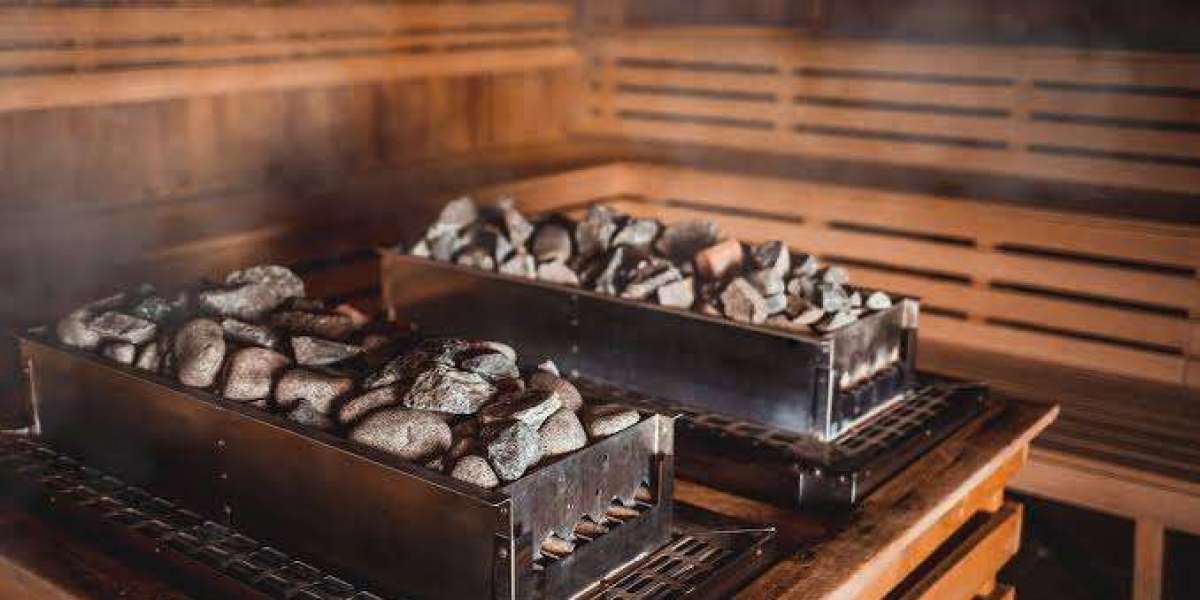

Sauna rocks are an important component of many traditional sauna heating systems because they help store and distribute heat inside the sauna. When properly heated, the rocks can also produce steam when a suitable amount of water is poured over them, creating the warm and humid atmosphere many people associate with traditional sauna bathing. The type, size, quality, and arrangement of the rocks can influence how effectively a sauna heater performs. When choosing Sauna Rocks, homeowners should make sure they are specifically designed for sauna use and are compatible with the heater. Using unsuitable stones can affect heating performance and may potentially damage the heater, so selecting the right material is an important part of creating a safe and enjoyable sauna environment.
How Do Sauna Rocks Work With a Sauna Heater?
Sauna rocks are placed inside or around a traditional sauna heater according to the manufacturer's design. As the heating elements warm the rocks, they retain thermal energy and release it gradually into the surrounding environment. When water is added to appropriate heated rocks, the water evaporates and creates steam, temporarily increasing humidity inside the sauna. This process is commonly known as löyly and is a central part of the traditional sauna experience. The rocks therefore serve more than a decorative purpose. They contribute to heat retention, temperature distribution, and humidity control. The heater manufacturer's instructions should always be followed when arranging the rocks and adding water.
What Types of Rocks Are Suitable for Saunas?
Not every type of stone is appropriate for use in a sauna heater. Suitable sauna stones need to tolerate repeated heating and cooling without breaking apart easily. Dense stones with good heat-retention characteristics are commonly selected for traditional sauna applications. Peridotite, olivine, and certain types of granite are among the materials used for sauna heating, depending on the manufacturer and heater design. When shopping for Sauna Rocks, it is important to purchase stones specifically sold for sauna use rather than collecting random rocks from outdoors. Natural stones can contain moisture, cracks, or other characteristics that make them unsuitable for repeated high-temperature heating.
Why Does Rock Size Matter in a Sauna?
The size of the rocks can affect airflow, heat distribution, and the performance of the heater. Smaller stones may fit between heating elements differently from larger stones, while larger pieces can provide substantial thermal mass. Sauna heater manufacturers typically specify an appropriate stone size range for their products. Following those recommendations is important because tightly packing stones can restrict airflow around the heating elements, while an unsuitable arrangement may reduce heating performance. When selecting Sauna Rocks, homeowners should check the heater's manual for the recommended sizes and quantities. Proper placement allows heat to circulate while supporting the intended operation of the heater.
How Many Sauna Rocks Does a Heater Need?
The required quantity depends on the specific sauna heater. Some compact electric heaters may require a relatively small amount of stones, while larger models can hold a much greater volume. The manufacturer's specifications should always determine the appropriate quantity because the heater is designed around a particular stone capacity and arrangement. Adding more rocks than recommended does not necessarily improve performance and can potentially interfere with airflow around the heating elements. Before purchasing Sauna Rocks, check the heater model, recommended stone size, and required weight or volume. This ensures that the stones work with the heater rather than placing unnecessary strain on the system.
Can You Pour Water on Sauna Rocks?
Water can be poured over sauna rocks when the heater and stones are specifically designed for that purpose. The water creates steam as it contacts the hot surfaces, increasing humidity and changing the sensation of the sauna environment. However, not every heater is designed for water application, so homeowners should always check the manufacturer's instructions before adding water. Water should also be added in controlled amounts rather than flooding the heater. When using Sauna Rocks, following the heater's recommended water practices helps maintain the equipment and provides a more predictable sauna experience. Never pour water directly onto electrical components unless the heater is specifically designed for it.
How Do You Clean Sauna Rocks?
Over time, sauna rocks can collect mineral deposits, dust, and other residue, particularly when water is frequently poured over them. Cleaning and inspecting the stones periodically can help maintain the heater's performance. The stones can be removed according to the heater manufacturer's instructions and examined for cracks, crumbling, or excessive buildup. Damaged stones should generally be replaced rather than returned to the heater. The heater itself should also be maintained according to its specific instructions. Regular inspection of Sauna Rocks is a simple part of sauna care and can help homeowners identify problems before they interfere with normal heating.
When Should Sauna Rocks Be Replaced?
Sauna rocks are durable, but they are not necessarily permanent. Repeated heating and cooling can eventually cause stones to crack, break apart, or lose their original shape. Smaller fragments can settle between larger stones and restrict airflow around the heating elements. If the rocks show significant cracking, crumbling, discoloration, or deterioration, replacement may be appropriate. The replacement schedule depends on how frequently the sauna is used and how the heater is operated. Rather than replacing stones according to an arbitrary timeline, inspect Sauna Rocks regularly and follow the recommendations provided by the heater manufacturer.
Can You Use Regular Outdoor Rocks in a Sauna?
Using rocks collected from a yard, beach, river, or hiking area is generally not recommended unless their suitability has been professionally established. Outdoor rocks may contain hidden cracks or moisture that can create problems when exposed to repeated high temperatures. Some stones may also fracture or deteriorate more easily than materials specifically selected for sauna use. Commercial Sauna Rocks are produced and sold for the particular conditions found inside sauna heaters. Choosing purpose-made stones is a much more practical approach than experimenting with unknown rocks. The manufacturer's approved stone types should always take priority when selecting replacement material.
Do Sauna Rocks Affect Steam and Humidity?
Yes, sauna rocks play an important role in creating steam in traditional sauna environments. When water is poured over properly heated stones, it rapidly evaporates and temporarily increases humidity. The amount of steam produced depends on the temperature of the rocks, the amount of water used, the heater design, and the surrounding conditions. Larger stone capacity can influence how heat and water interact, but more rocks do not automatically mean more steam. The heater should be operated according to its instructions, and users should avoid excessive water application. Properly selected Sauna Rocks can contribute to a satisfying traditional sauna experience when used correctly.
Are Sauna Rocks Important for Electric Sauna Heaters?
Many traditional electric sauna heaters are specifically designed to hold stones. The heating elements warm the stones, while the stones help create the characteristic sauna environment and allow controlled steam generation when water is permitted. The design of the stone compartment varies between heater models, so the correct rock size and quantity can differ significantly. Homeowners should never assume that stones from one heater can simply be transferred to another without checking compatibility. When purchasing Sauna Rocks for an electric heater, consult the manufacturer's specifications to ensure the stones are suitable for the model and arranged correctly around the heating elements.
How Should You Arrange Rocks in a Sauna Heater?
Rock arrangement should follow the heater manufacturer's instructions because different heaters are designed with different airflow and stone-placement requirements. In general, stones should be positioned so they support good heat circulation without excessively restricting airflow around the heating elements. They should not be packed so tightly that air cannot move through the heater. Smaller fragments should also be removed if they accumulate at the bottom of the stone compartment. Correctly arranged Sauna Rocks can help the heater operate as intended while allowing heat to transfer effectively. If you are unsure about the arrangement, consult the heater manual instead of relying on a generic stacking method.
What Makes High-Quality Sauna Rocks Different?
High-quality sauna rocks are selected for their ability to withstand repeated exposure to high temperatures and thermal cycling. They should be appropriate for the specific sauna heater and should not contain materials that are unsuitable for high-temperature use. Quality stones can also provide consistent heat storage and support a pleasant steam experience when water is applied correctly. When comparing Sauna Rocks, look at the stone type, recommended size, manufacturer compatibility, and intended application. Price alone is not a reliable indicator of suitability. A properly selected stone set can support heater performance and reduce the likelihood of frequent replacement caused by unsuitable material.
How Can Proper Sauna Rock Maintenance Improve Heater Performance?
Maintaining the stones can contribute to better airflow and more consistent heater operation. As stones break down, small pieces can fall between heating elements and reduce circulation. Mineral deposits may also build up over time if water with high mineral content is repeatedly used. Periodically removing, inspecting, and rearranging the stones according to the manufacturer's instructions can help identify deterioration. Homeowners should also avoid overloading the heater or using stones that are too large or too small. Proper care of Sauna Rocks is therefore part of maintaining the entire heating system rather than simply keeping the stones looking clean.
How Can Chinook Hot Tubs and Saunas Help You Choose Sauna Rocks?
Chinook Hot Tubs and Saunas can help homeowners understand the role of sauna rocks and choose options that are appropriate for their sauna heating system. Selecting Sauna Rocks requires attention to stone type, size, quantity, heater compatibility, and proper placement. Using the correct stones can support heat distribution and the traditional steam experience while helping the heater operate according to its intended design. If your existing stones are cracked, crumbling, or no longer performing as expected, checking the heater manufacturer's recommendations can help you determine whether replacement is necessary. Chinook Hot Tubs and Saunas can help you explore sauna equipment and create a comfortable wellness space suited to your preferences.